Economic Indicators of India in 2026: GDP, Inflation, Growth & Outlook
Introduction
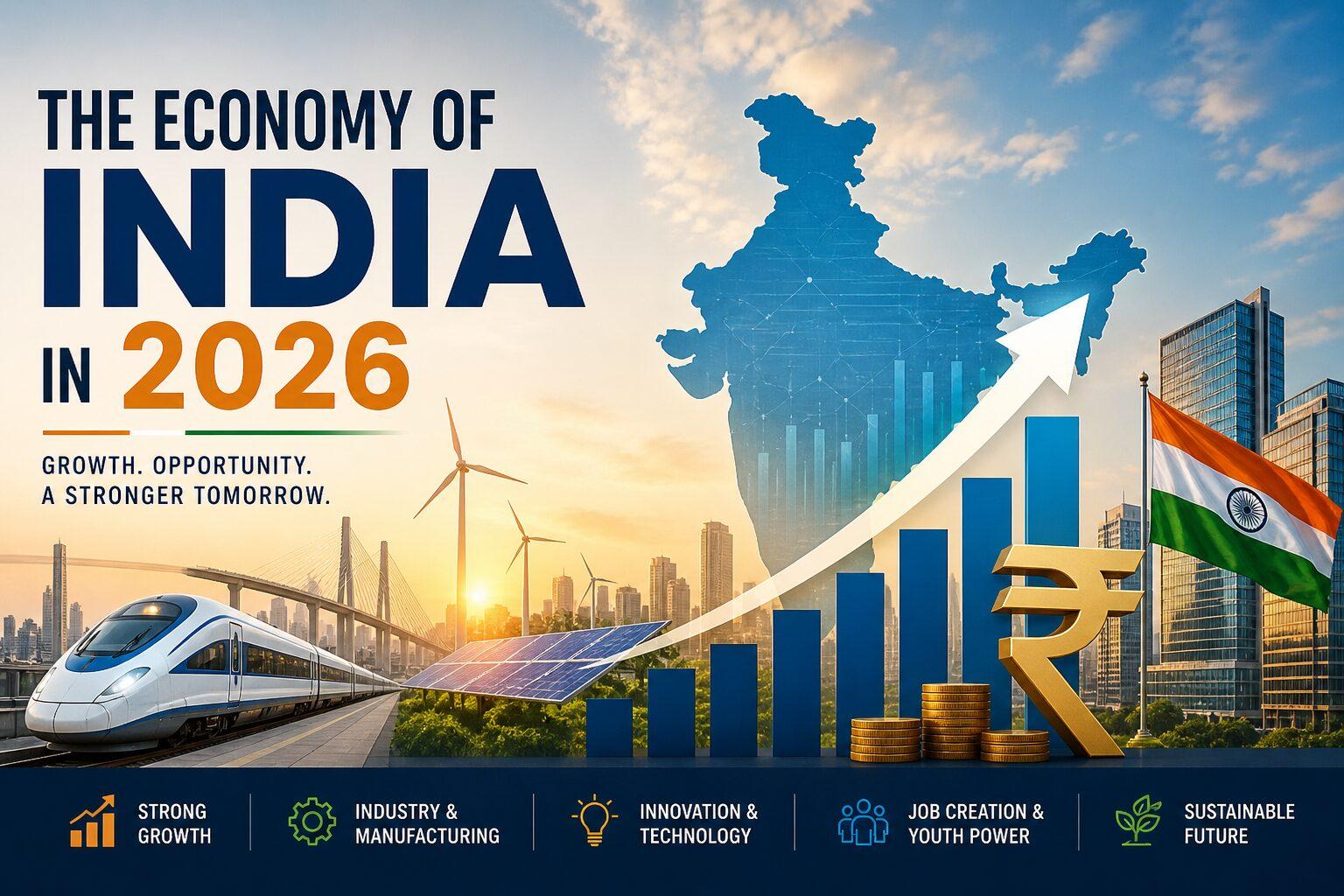
Economic indicators of India in 2026: GDP, Inflation, Growth & Outlook make available a complete picture of the country’s economic strength at a time when India is emerging as one of the world’s fastest-growing economies. India is a developing, lower-middle-income, and newly industrialized economy. Significant indicators, such as GDP growth, inflation tendencies, employment situation, fiscal scenario, and external trade, play a vital role in determining policy decisions and investor confidence.
Investigating these indicators helps in understanding India’s macroeconomic solidity, growth potential, and forthcoming economic course in a rapidly changing global situation.
Before going to discuss the economic indicators of the Indian economy, I would like to inform my readers that the fiscal year of India starts from April 1st and ends on 31st March of the next year. Here, it is important to mention that most of the data that would be depicted in this article would be for the current fiscal year 2024-25 (1st of April 2024 to 31st March 2025), and for the year 2026.
1. Nominal vs Purchasing Power GDP

India’s nominal GDP is 4.5 trillion dollars in 2026. India’s GDP in PPP (purchasing power parity) terms is 19.14 trillion dollars. India is the 4th largest economy in nominal GDP, and the 3rd largest economy in PPP ( purchasing power parity).
GDP Growth Rate of India would be (forecast) 7.3%, at the end of the current fiscal year, 2024-25.
2. Per Capita Economic Output
The second most important figure, if we talk about the economic indicators of India, is per capita economic output. Per capita economic output of India is 2,818 dollars per person, according to the International Monetary Fund (IMF) and World Economic Outlook. The current population of India is 1.48 billion people.
3. External and Internal Debt

Currently, India’s total external loan (including government + corporates + banks + other institutions) is 746 billion dollars, approximately. Using an exchange rate of ₹82 = $1 USD, in Indian rupee it is ₹61.23 lakh crore. It is roughly 16.6 % of GDP — a moderate level compared to many other economies.
India’s internal loan (domestic debt) is estimated at ₹190 lakh crore (about 2.32 trillion dollars), if exchange rate is supposed ₹82 = $1 USD, approximately 51 % of GDP.
India’s total public debt (foreign + domestic) is 3.07 trillion dollars, roughly 68 % of GDP.
Note:- The above-mentioned % of GDP are, if nominal GDP is 4.5 trillion dollars in 2026.
4. India’s Trade: Exports and Imports
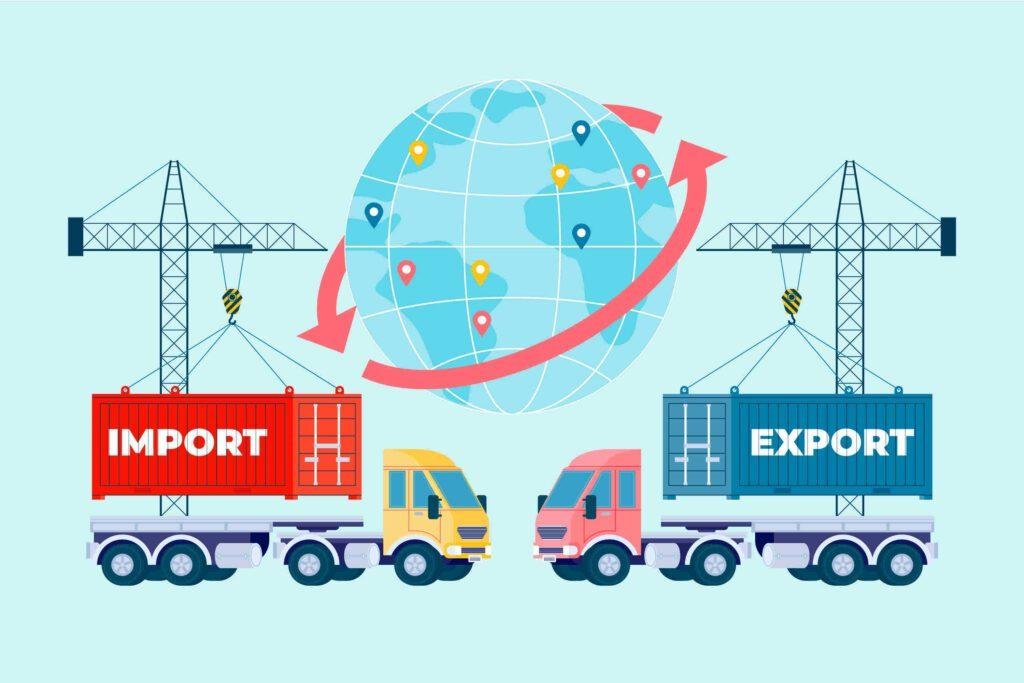
If I talk about the economic indicators of India, exports of India are 820.9 billion dollars, both goods and services, while Imports are 915.2 billion dollars. India is facing a trade deficit of approximately 94.3 billion dollars. Main export partners are the United States, the European Union, the United Arab Emirates, China, Hong Kong, Singapore, the United Kingdom, etc.
And major import partners are China, Hong Kong, Russia, the European Union, the UAE, the United States, Saudi Arabia, etc.
5. India’s Literacy Overview

During the discussion of the economic indicators of India, it is imperative to shed light on the educational situation of India. According to the World Bank, the literacy rate in India is 77–78% (all ages 15+). This means that about 3 out of 4 people aged 15 and above can read and write with understanding.
6. Job Market Overview

India’s state unemployment rate is about 4.8 % as of December 2025. This figure replicates the percentage of people aged 15 years and above who are actively seeking work but are without a job. Total labor force is 610 million people (61crore). This represents people aged 15–64 who are either employed or actively seeking work.
7. Global Economic Posture
India had not required IMF backing since its landmark reforms in 1991. India is a member of these global organizations: IMF, WTO, WCO, SAFTA, BIMSTEC, BRICS, G-20, BIS, AIIB, ADB, and others.
8. Poverty and Living Standards

According to the World Bank and official estimates, about 13–14% of India’s people live below the national poverty line in 2025–26. In absolute terms, this is approximately 180–190 million people living in poverty.
With reference to economic indicators of India, if I talk more about more on poverty related figures, then 23.9 % of India’s people live below the $4.20/day (PPP) poverty line, since nearly 1 in 4 people have consumption levels under this global lower‑middle‑income standard.
This equals 342 million people (34 crore and 20 lakh), 2022–23 data.
9. Foreign Currency Reserves

Another significant figure, if we talk about the economic indicators of India in 2026, is foreign currency reserves. India’s forex reserves touched a record high of 723.8 billion dollars approximately, as of January 30, 2026, according to the Reserve Bank of India. This is the highest level on record and reflects strong external buffers. These reserves are enough for over 11 months of imports.
10. Foreign Investment in India
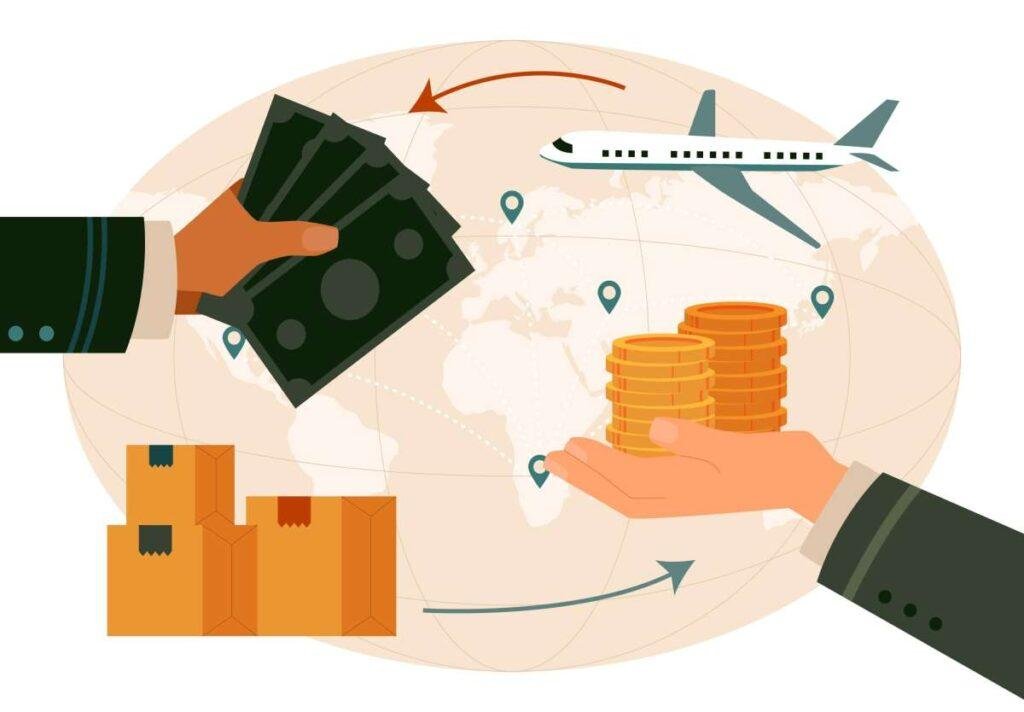
India received around 81.04 billion dollars in FDI inflows in FY 2025, according to government data from India’s Ministry of Commerce and Industry. The services sector was the chief recipient of FDI equity. The 81 billion dollars figure refers to gross FDI inflows for the fiscal year 2024-25 (i.e., April 2024 to March 2025).
11. Inflation Patterns in India
During the debate of economic indicators of India, one fact is very prominent to be emphasized, and that is inflation. Average CPI inflation for fiscal year 2024-25 was about 4.6 % — the lowest yearly rate since fiscal year 2018-19.
12. Government Budget Overview

According to The Economic Times, total revenue receipts (tax + non-tax) were around ₹30.36 lakh crore, and total expenditures were around ₹46.56 lakh crore. The budget deficit was around ₹15.77 lakh crore in absolute terms. Fiscal deficit for FY 2024-25 stood at approximately (4.8 % of GDP).
13.Remittance Inflows to India
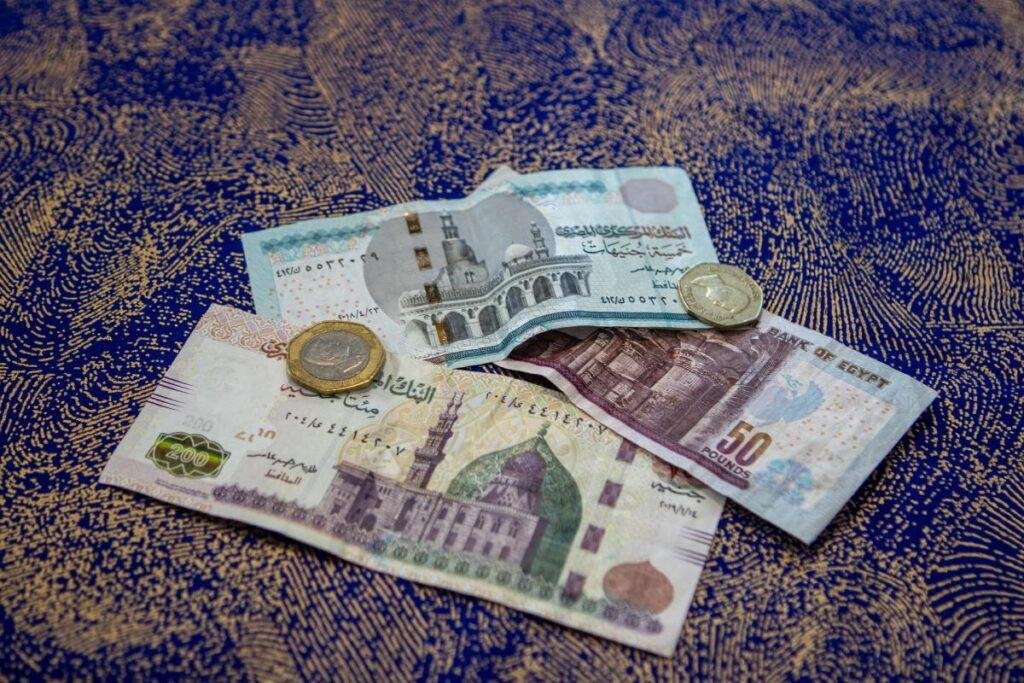
India received the highest 135.46 billion dollars in remittances in FY 2025, the maximum inflow of money sent back home by Indians working overseas.
Major countries from where foreign remittances receives to India are the United States, United Arab Emirates (UAE), Saudi Arabia, United Kingdom, Kuwait, Qatar, Oman, Canada, Australia, Germany, Singapore, etc.
Conclusion
In 2026, India’s economy is expected to demonstrate flexibility and steady growth. With a nominal GDP estimated at about 4.5 trillion dollars, the state remains one of the major economies worldwide. Inflation is anticipated to stay moderate, supporting domestic consumption and investment. Significant economic indicators, together with government debt, external debt, and remittances, replicate a stable fiscal position, while vigorous foreign remittances provide sturdy support to the balance of payments.
Overall, India’s growth outlook remains positive, driven by robust domestic demand, escalating services and manufacturing sectors, and continual integration into the international economy. I talked about the economic indicators of India in this article, which shows the current picture of the Indian economy, especially in 2026.
Image Credits: Images in this article are sourced from a free stock image website, Freepik (www.freepik.com).
About the Author
Shahzad Ahmad is an Assistant Professor of Economics and an economics writer specializing in macroeconomic and global economic trends.
He presents complex economic issues in a simple and clear way for students, researchers, and general readers.
Q.1 How much is nominal GDP of India in 2026
Nominal GDP of India in 2026 is 4.5 trillion dollars.
Q.2 How much is GDP at purchasing power parity (ppp) of India in 2026
GDP at purchasing power parity (ppp) of India in 2026 is 19.14 trillion dollars.
Q.3 How much is public debt of India in 2026
India’s total public debt (foreign + domestic) is 3.07 trillion dollars)
Q.4 How much is nominal GDP per capita of India
Nominal GDP per capita of India is 2,818 dollars per person.
Q.5 How much is India’s internal loan (domestic debt) in 2026
India’s internal loan (domestic debt) is estimated at ₹190 lakh crore (about 2.32 trillion dollars)
Q.6 How much is India’s India’s total external loan in 2026
India’s total external loan (Includes government + corporates + banks + other institutions) is 746 billion dollars, approximately. Using an exchange rate of ₹82 = $1 USD, in Indian rupee it is ₹61.23 lakh crore
Q.7 How much are exports of India in 2025
Exports of India are 820.9 billion dollars in 20251