The Relationship of Economy and Environment in the World
Introduction
Economy and environment are linked in a way that is both important and hard to understand in today’s world. Both are linked in a big way. The economy needs natural materials to grow, and the health and length of the economy are tied to the environment. But when the economy grows, it often hurts the wildlife. This link is important to understand if you want to find a balance between growth and protecting the Earth.
1. The link between business growth and environmental damage
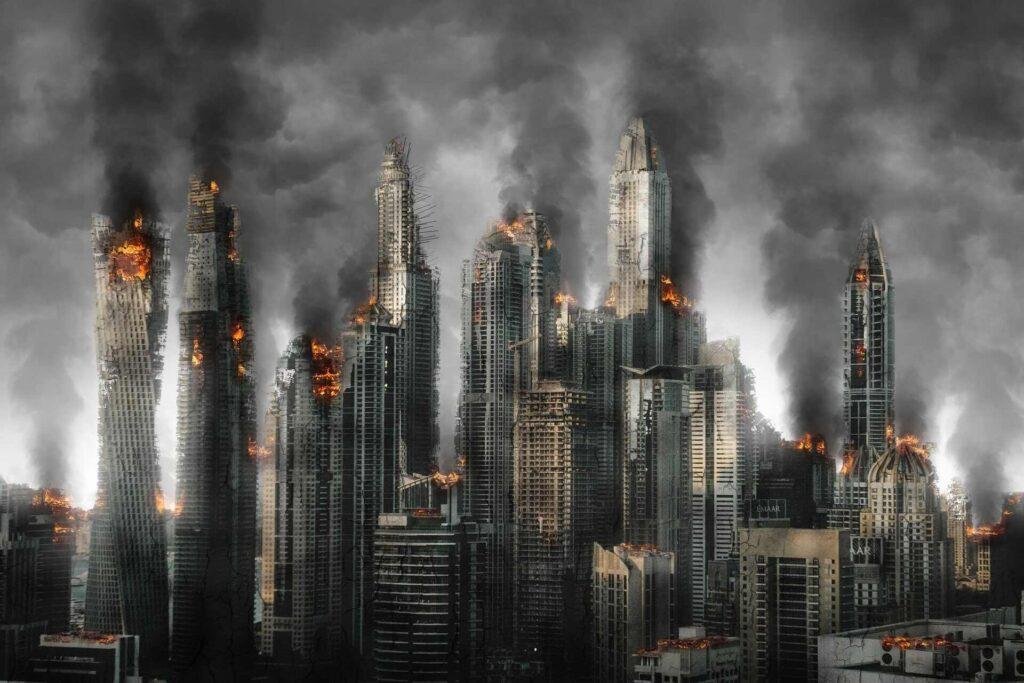
In the past, when the economy grew, more people lived in towns, more natural resources were used, and the economy became more industrialized. A lot of the time, these things damage, cut down trees, and use up too many of the Earth’s resources.
A lot of carbon dioxide, methane, and other climate gases are put into the air by factories and other businesses as they become more industrialized. This makes climate change and global warming worse.
• The growth of cities happens when economies grow. It takes further energy to track cities and is difficult to clean up after waste when they spread out over wild zones.
• Cutting down trees and consuming their resources: forests are cut down for agriculture, mining, and gathering in order to generate money. The earth is washed away, species are wiped out, and carbon processes are thrown off.
For this reason, economic growth without good rules about the environment can hurt the environment in the long run more than it helps in the short term.
When the business helps the environment, this is a good thing, if we talk about the relationship between the economy and the environment.
Strong economies can help protect the environment if they are run well, but fast economies can be bad for the environment. The structures and energy in rich countries are usually built to last longer and use cleaner energy.
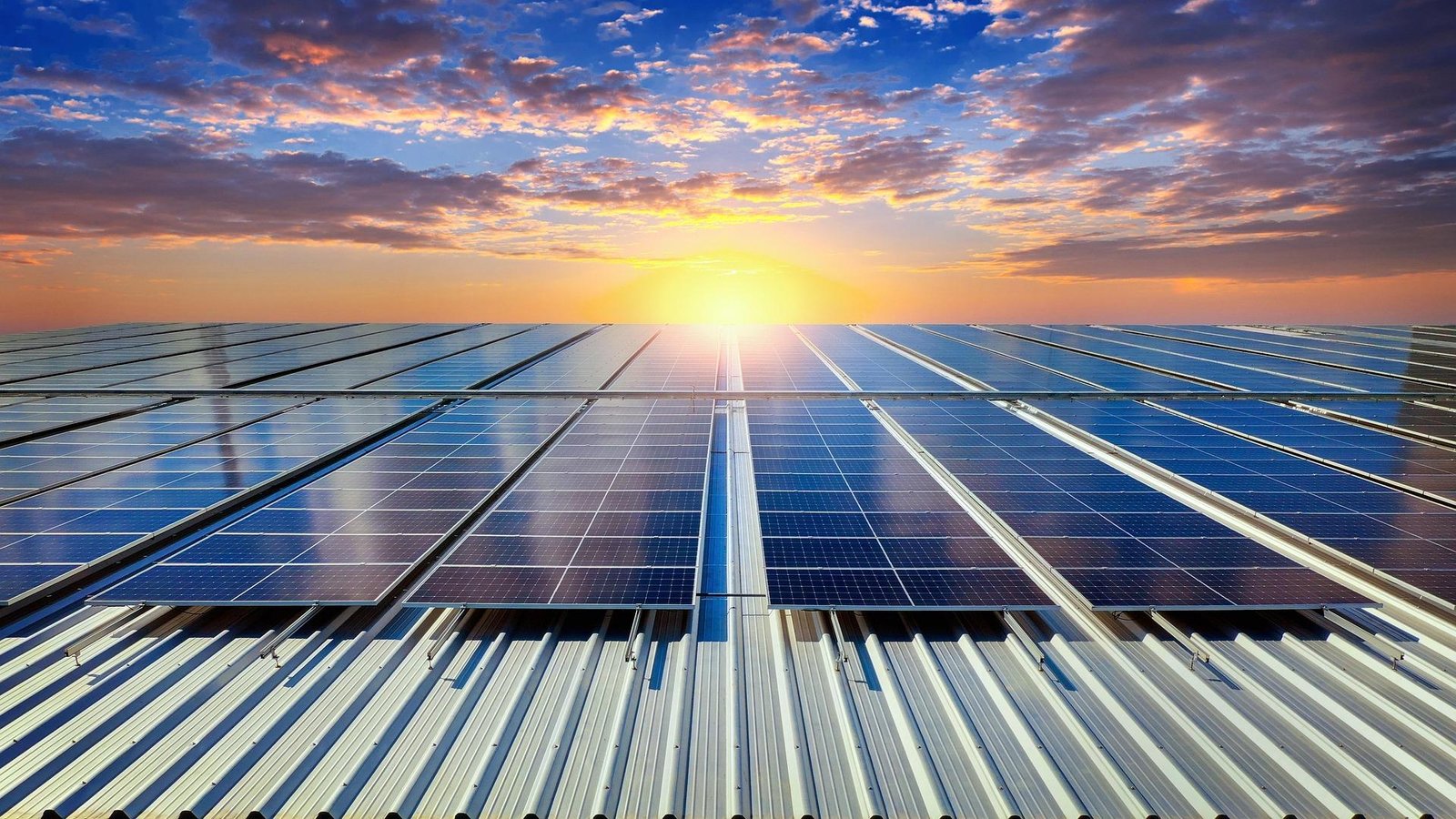
• Green Technology: The public is further open to new ideas when the business is doing well. These poor nations employ money on clean energy sources like wind, water, and solar power so they can use fossil fuels less often.
• Eco-Friendly: When the economy is firm, agriculturalists can use ways that are improved for the environment, such as precision farming, which requires less water and fertilizer.
If a state is wealthy, it can have harsh rules for the environment, pollution taxes, and carbon trade arrangements that prevent businesses from doing things that upset the environment.
• Circular Economy: Reusing, recycling, and cutting down on trash are now big parts of the long-term growth plans of some modern countries. In this way, the business stays strong, and the earth isn’t hurt too much.
That being said, economic growth isn’t always bad for the environment. What matters is the type and amount of growth.
2. What economies that are still growing should do
Developing countries need to grow their economies quickly, but also care for the earth. A lot of the time, these countries get a lot of their GDP from getting natural materials and making things. In many ways, however, this advancement is bad for the earth.
Power plants that utilize coal are a chief source of carbon pollution. Many economies that are growing use these plants. Problematic ways of dealing with trash lead to dirty rivers, lakes, and ground. Unlawful mining and logging destroy woods and places where animals reside.
Likewise, poor nations say that developed states got rich by using natural resources, so it doesn’t make sense to expect them to slow down growth for environmental reasons. People all over the world are now quarreling about who is to blame for climate change.
The answer is to work collectively with other nations. Rich republics can give money and technology to poor nations to assist them in switching to cleaner energy and more eco-friendly ways of creating things.
3. Different kinds of businesses and how they harm the environment
There are many parts of the economy that have an impact on the world. These are the most significant ones:
a. Growing plants
Farming takes up the maximum land and water. It is not good for the soil and water when chemical fertilizers and pesticides are utilized. A lot of methane is released when animals are raised for food.
b. Business Types: The water and air are contaminated by factory smoke, trash that is bad for you, and minute particles. That makes cement, steel, and explosives examples of a heavy business that is very bad for the environment.
c. Transportation: More people drive cars when the economy is good, which burns more natural fuels. The air is dirty, which makes climate change worse.
d. Making energy: The economy works on energy. Most of the world’s energy still originates from coal, oil, and other sources that can’t be used another time. These fuels are the foremost thing that changes all God’s creatures.
e. Days off
Tourists take in money, but they can damage the environment by leaving trash behind, making too numerous people, and cutting down trees for roads and bridges.
4. Changes in the business and the weather
The world needs to be healthy for the economy to stay strong, not just a bad world for the economy. Climate change is nowadays a key threat to businesses all over the world, as it is caused by business.
• Frightening natural disasters: Climate change brings floods, hurricanes, and droughts, which destroy farmhouses, houses, and cause a lot of damage and cost a lot of money.
• The cost of health Issues: asthma, cancer, and heart issues become more common when the air and water are dirty, which makes health care more expensive.
• Decrease in Agricultural Output: Volatile weather leads to lower crop output, which means there is less nutrition available, and prices go up.
• Loss of Productivity: People and work are less fruitful in tropical and emergent places because of the life-threatening heat and stress from the environment.
That’s why environmental damage is a direct threat to both health and economic growth, if we talk about the economy and environment.
5. Business plans that will last
The world needs to switch to business models that are good for the environment, or the environment will collapse. These people care more about safety in the long term than making money in the short term.
a. The green business world
There should be less pollution and carbon emissions in a green economy. There should also be more green work, clean energy, and better use of resources.
b. Low-cost goods without loss
People don’t throw away things that have been used in a revolving economy. Instead, they fix them up and reuse them. This lessens the amount of trash and stress on the environment.
c. The Blue Business
The main goal of this strategy is to use ocean resources in a way that doesn’t upset marine environments but still makes the economy stouter.
6. Deals and attempts all over the world
Countries need to work together to handle the link between business and the environment. Many global plans have been made to deal with the harm that the economy has done to the environment, in the case of the relationship between the economy and the environment.
• By cutting down on carbon contamination, the 2015 Paris Agreement efforts to keep the rise in temperature about the world to less than 2°C above pre-industrial levels.
• In 1997, nations decided to cut their greenhouse gas releases through the Kyoto Protocol. It was the first big global deal to do this.
• Two of the Sustainable Development Goals (SDGs) decided by the United Nations are about planning for the long-term health of the environment as part of economic growth. These are Goal 13 (“Climate Action”) and Goal 15 (“Life on Land”).
These efforts display that taking care of the environment is now a worldwide must, not a choice.
Making sure that protecting the environment and economic growth are both considered
Stopping economic growth is easy; keeping it going is tough. There are jobs for people, businesses, and the government.
• Green taxes, money for green technologies, and strict rules about the environment can all be put in place by the government.
• Companies can start corporate social responsibility (CSR) programs and switch to eco-friendly ways of making things.
• People can utilize a smaller amount, buy brands that are good for the world, and tell more people about the need to guard the earth.
For there to be equilibrium, there are requirements for knowledge, new ideas, and durable political will.
Conclusion
The economy and environment are like two sides of the same coin. Without the other, one can’t do well. The climate has been miffed by economic growth in the past, but it can also fix the problem with new ideas, technologies, and policy variations. The path of the future is long-term growth that make public rich without damaging the health of the world. Not only is moving towards a green, healthy, and carbon-neutral economy the right thing to do, but it is also important for our economy to stay alive.
Image Credits: Images in this article are sourced from free stock image websites, including Freepik (www.freepik.com) and Pixabay (www.pixabay.com), and other free image platforms.
1. What changes the world around us when the economy grows?
People often become more technologically advanced and use further resources as countries grow. This creates pollution, cutting down plants, and greenhouse gas releases
2. Does a strong business help protect the planet?
Yes. In order to defend the environment, we require money and tools that are good for the business. These comprise clean energy projects, transportation that is required for the environment, and stern rules against pollution.
3. What does it mean by “green economy”?
A green economy attempts to grow in the long run by encouraging clean energy, dropping carbon releases, and producing jobs that are good for the environment.
4. Why do difficulties with the earth affect poor countries more than they hurt rich ones?
This is because developing nations often depend on on heavy industries and natural resources to assistance their economies grow. Poor people, careless rules about the environment, and a lack of technology all make it tougher to balance growth with long-term survival.
5. What can each person do to make the world a healthier place?
Fewer energy use, less garbage, buying eco-friendly goods, and sharing the word about climate difficulties are all things that people can do to support the environment.
6. What is the greatest way to support both the company and the environment, if we talk about economy and environment relationship?
The best ways to fix the problem are to use long-lasting economic models like the cyclical and green economies, spend money into clean energy bases, and stick to agreement made at the global level.